What brand identity design actually is
A brand is what people conclude about you after every encounter. You can influence it, but you cannot hand it over as a file. A brand identity is the part you can design: the visual and verbal system that carries the brand into the world. A logo is one asset inside that system.
Most businesses buy from the bottom up. They commission a mark, then wonder why the website, the deck and the packaging feel like three different companies. Brand identity design, and corporate identity design for groups with several entities, fixes that by deciding the rules once, so every new touchpoint starts from an answer instead of a blank page.
Brand, identity, logo: the difference
Brand is perception. It is earned slowly, through product, service and communication. It is the only layer nobody can deliver to you on a deadline.
Identity is the system. It turns strategy into parts with names: marks, type, colour, image direction, voice and motion. It is what lets a new designer or developer get the same answer without asking you.
Logo is a mark. It identifies. It needs clearspace, minimum sizes and colour versions, but it cannot carry a message the rest of the system has not already established.
What a brand identity system contains
- A logo suite: primary mark, lockups, a single-colour version, a dark-background version, favicon and app icon.
- A type scale that says which size and weight to use for which level of information.
- Colour tokens with roles (primary, accent, surface, text, state), with accessible contrast built in from the start.
- Image and illustration direction, so photography and graphics look like they belong to one company.
- A voice with rules and real example sentences, not just three adjectives.
- Usage rules and motion behaviour, written so the system survives new hires and new tools.
What I build for you
Unlike a brand identity design agency with several departments, you work with the person who makes the decisions and does the work. Every project covers four layers.
Strategy and positioning
Who the brand is for, what it promises, what it competes against and what it refuses to be. A short, decisive document that can reject work, so design choices get faster instead of becoming a matter of taste.
Visual identity
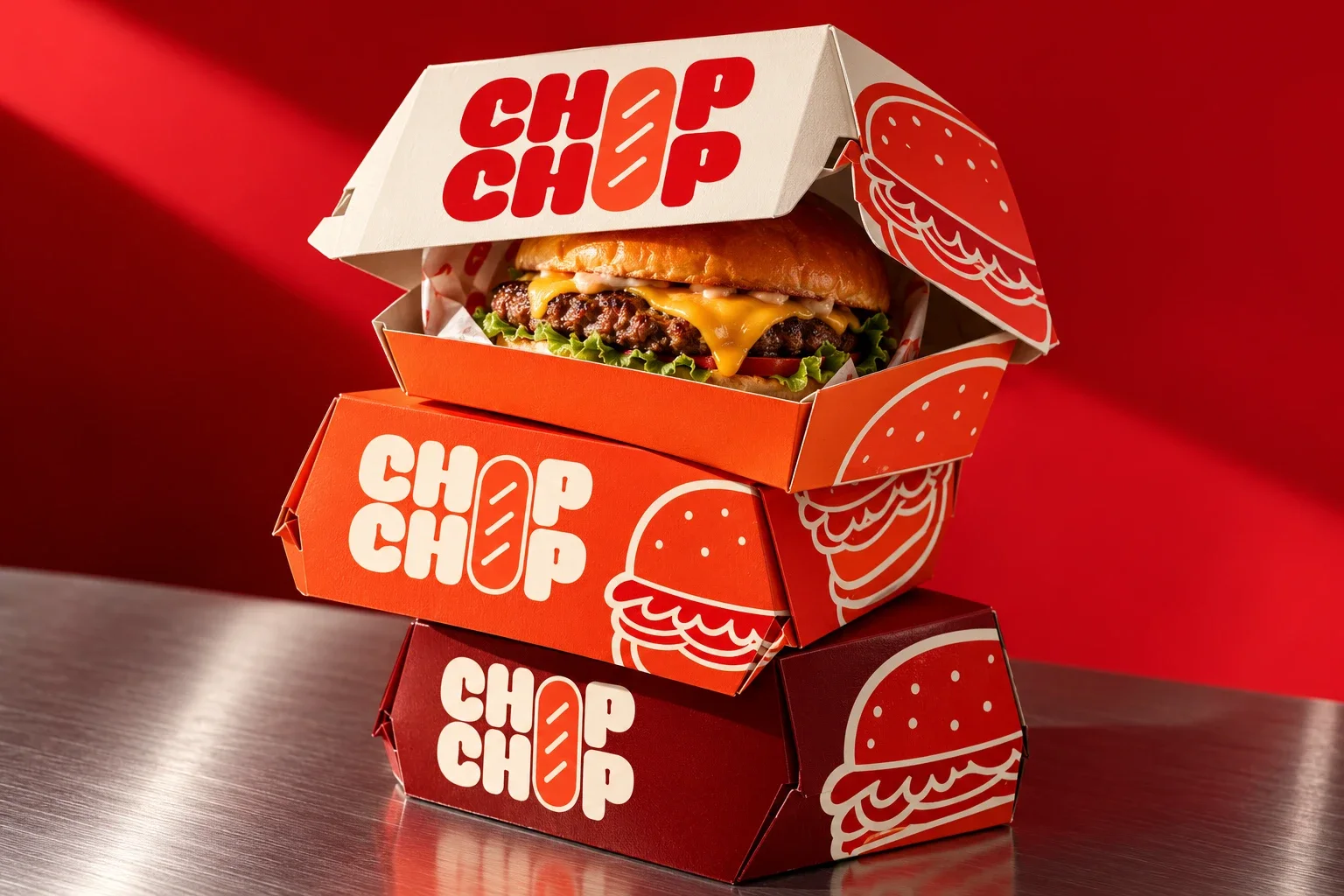
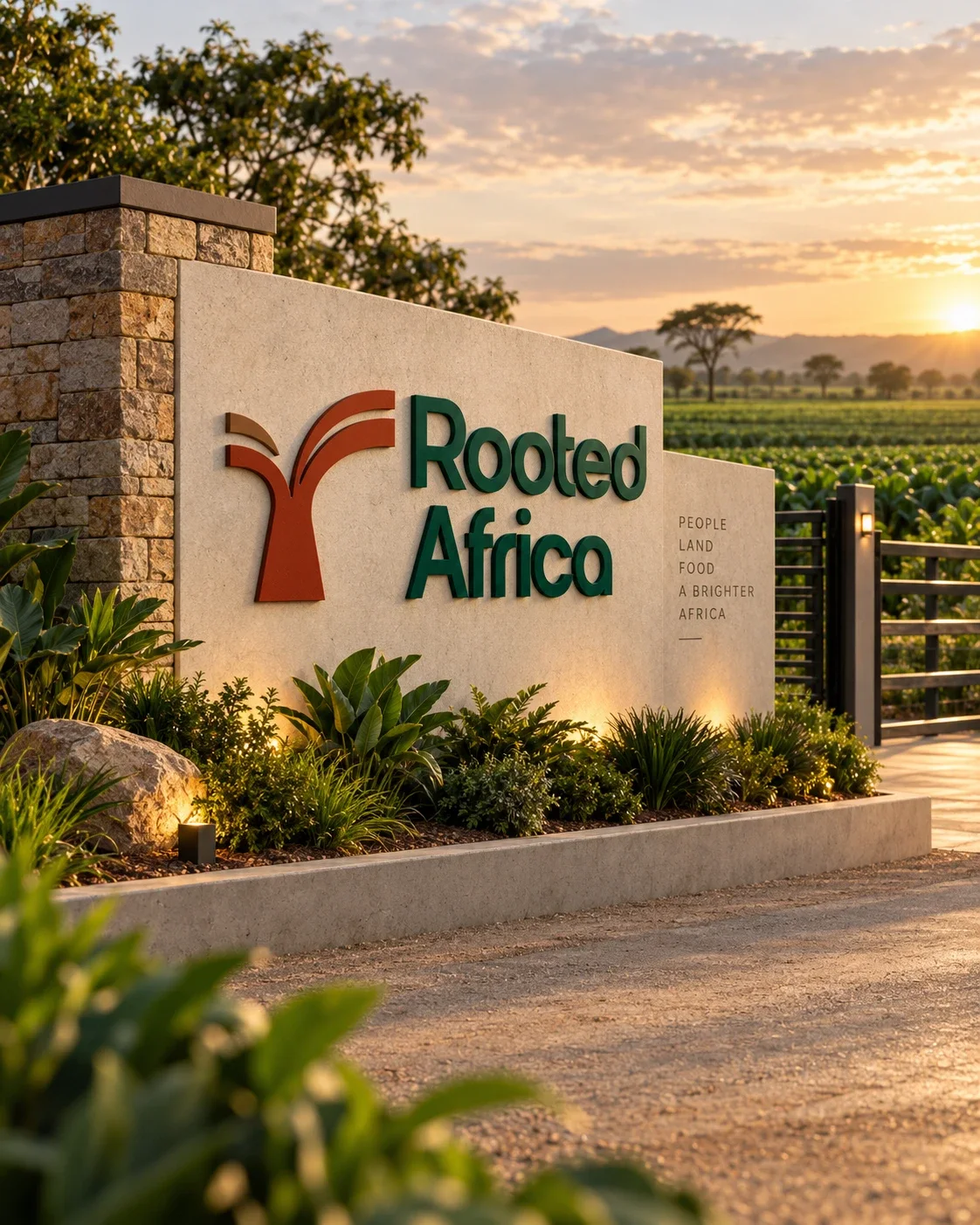
Logo, type, colour, grid and how things move. On projects like Chop Chop and Rooted Africa this meant designing the mark and then proving it on packaging, signage, merch, vehicles and campaigns before calling it finished.
Voice and messaging
A tagline, a short boilerplate, a messaging hierarchy and examples of how the brand sounds when it is selling, explaining and apologising.
Guidelines and handover
A usage guide your team will actually open, plus organised source files and exported assets. The full design and build process shows exactly what you receive at each stage.
Who this is for
Founders launching something new who want to look established from day one. Businesses that have grown past their first logo and now look different on every platform. Companies preparing a rebrand, a new product line or a move into a new market. And teams whose website, social channels and sales materials disagree with each other, because nobody ever wrote the rules down. If people regularly ask "which logo should I use?" or "what is our blue?", an identity system will save you time every week.
How the project runs
- 01
Brief
We talk through the business, the audience and what is not working today. I come back with a short summary of the problem in writing.
- 02
Strategy
Positioning, audience and promise, agreed in one short document. This is what every later design decision is checked against.
- 03
Identity design
Two or three directions, built on the strategy and shown on real applications. We choose one and refine it together.
- 04
System and applications
The full identity: logo suite, type, colour, voice and the key touchpoints your business uses most.
- 05
Handover
Guidelines, source files and exported assets, organised so your team and future suppliers can use them without me.
Every project follows the full design and build process, from brief to handover.
What it costs and how long it takes
Brand identity work starts from $500 for a logo, colours, type and a short guide. The Launch package (from $700) adds a landing page, and the Grow package (from $1,500) covers a full identity with guidelines plus a multi-page website. Most identity projects take two to five weeks. The biggest variable is not drawing time; it is how quickly decisions get made and approved on your side.